Engineering Below Zero: Building Robots That Thrive Where Machines Freeze
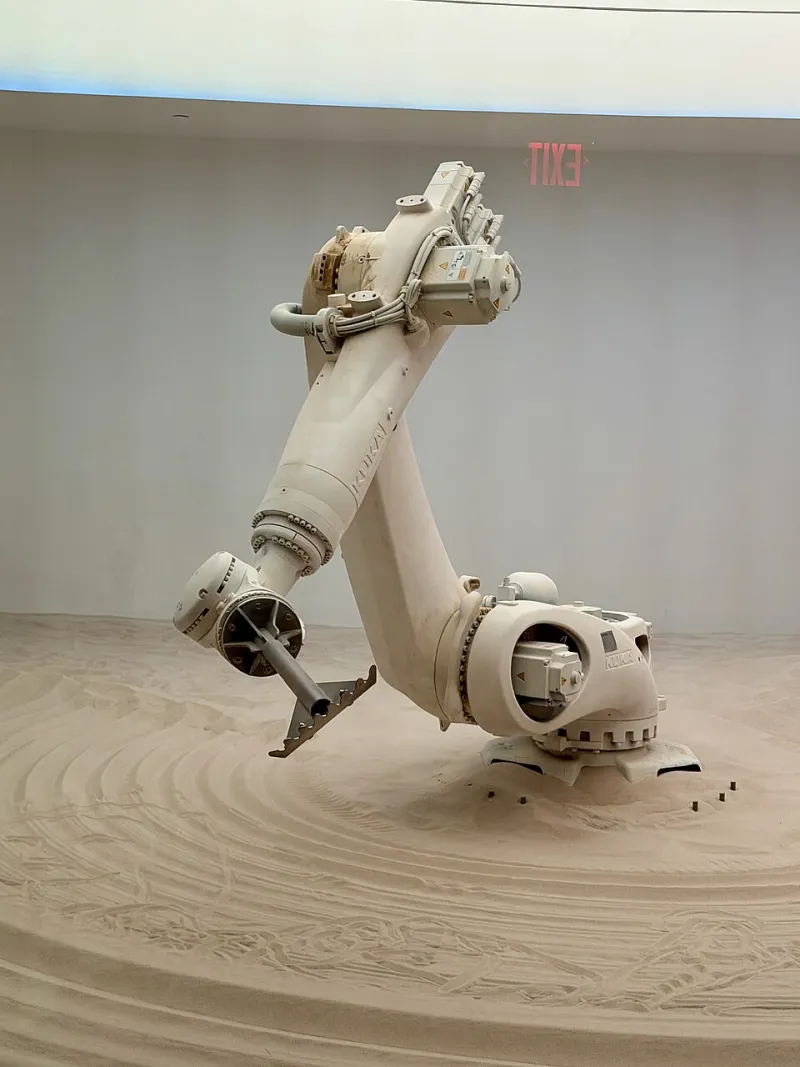
Photo: Oleg Yunakov, CC BY-SA 4.0, via Wikimedia Commons
When a robot arm fails in a heated facility in Stuttgart, it makes headlines in the trade press. When one fails at an unheated transload facility on the outskirts of Winnipeg in February, it makes a very different kind of headline — and a very different kind of engineering problem.
Across Canada, industrial automation is being deployed in conditions that most global equipment was never designed to endure. Ambient temperatures that swing sixty degrees between seasons. Lubricants that turn to putty. Steel that becomes brittle. Seals that crack. Condensation cycles that corrode circuit boards from the inside out. For Canadian integrators and end users, cold is not an edge case. It is the operating environment.
Why Standard Ratings Fall Short
Most commercial automation components carry an operating range of 0°C to 40°C, sometimes 0°C to 55°C. That specification, engineers are quick to point out, tells only part of the story.
"The datasheet assumes thermal equilibrium," explains one Toronto-based systems integrator who has commissioned robotic cells in unheated warehouses across the Prairies. "A motor rated to -10°C might run at -10°C, but can it start at -10°C? Can its gearbox lubricant shear properly on a Monday morning after a long weekend shutdown? Startup torque, duty cycle, and thermal cycling matter as much as the number on the label."
Cold-weather failures tend to cluster in predictable places: servo gearboxes starved of flowable grease, pneumatic systems fighting moisture that freezes in valves, and lithium-based batteries in mobile robots losing capacity at exactly the moment uptime matters most. Camera-based systems face their own challenges, as frost, lens fogging, and temperature-driven focus drift degrade vision-guided automation that performs flawlessly in a climate-controlled lab.
Designing for the Deep Cold
The engineering responses fall into a handful of broad strategies, and Canadian suppliers have become unusually fluent in all of them.
Thermal conditioning at the component level. Arctic-grade gear oils and synthetic lubricants rated to -40°C are now standard specifications for northern deployments. Enclosure heaters, thermostatically controlled and interlocked with the control system, prevent cold-soak conditions before a cell is authorised to start. Some integrators specify pre-run warm-up sequences — the robot stretches its joints at reduced speed before production, much as a worker would.
Managing the condensation cycle. Ironically, the transition into a warm building can be as damaging as the cold itself. Equipment moved from a -25°C yard into a heated plant will sweat for hours, and that condensation finds its way into connectors and control panels. Canadian integrators routinely specify conformal-coated PCBs, heated enclosures with slow thermal ramps, and IP67 sealing as baseline rather than premium options.
Material selection. Standard carbon steel loses impact toughness as temperatures drop. For structures, guarding, and tooling exposed to the elements, engineers increasingly turn to low-temperature-rated alloys and polymers that stay ductile in the cold. Cable jackets and hose compounds, often the first components to fail, are selected with the same discipline.
Lessons From the Field
Some of the most instructive case studies come from sectors that never had the luxury of treating cold as exceptional.
Food processors in the Prairies and Northern Ontario operate blast freezers and loading docks where ambient conditions regularly fall below -30°C. Their automation — palletising, case handling, high-speed sorting — must function reliably in washdown conditions on top of everything else. The solutions that emerged there, from stainless cold-rated actuation to heated vision enclosures, have since migrated outward to logistics and mining.
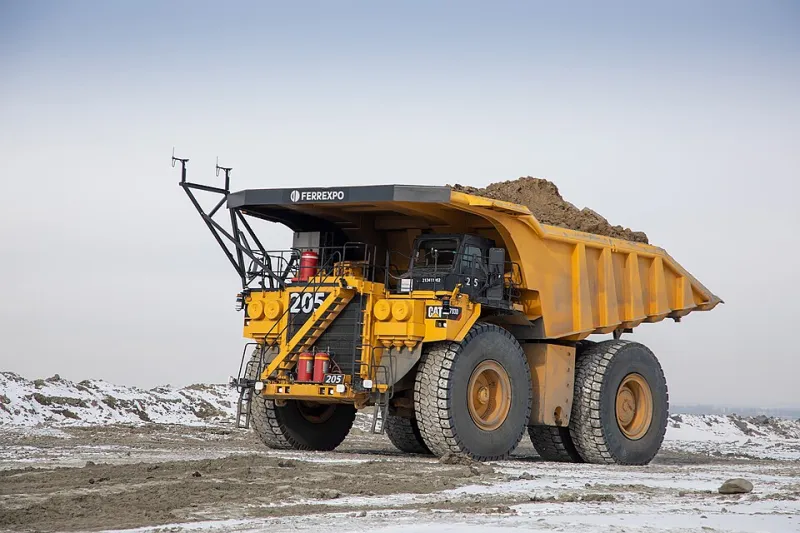
In the territories, outdoor automation faces a still harder test. Remote-operated and semi-autonomous equipment at northern mining operations must survive cold soak, blowing snow, and months of reduced daylight that challenge optical sensing systems. Operators have responded with radar and lidar fusion, heated sensor windows, and control architectures that assume degradation rather than assume perfection.
From Liability to Advantage
Here is the strategic point that is easy to miss: all of this hard-won expertise is becoming a product.
Global demand for automation in genuinely harsh environments — Nordic logistics, high-altitude operations, Antarctic research support, cold-chain infrastructure worldwide — is growing, and the pool of integrators with proven cold-climate commissioning experience is small. Canadian firms that have solved these problems for domestic customers hold a credential that is difficult to counterfeit.
Trade commissioners have begun marketing Canadian cold-climate automation capability abroad, and it is not merely a branding exercise. A Canadian integrator who can demonstrate a robotic cell running through three consecutive Winnipeg winters carries evidence no European competitor can easily match.
What Buyers Should Ask For
For manufacturers planning automation investments in unheated or semi-heated spaces, the practical checklist is straightforward:
- Specify components with verified low-temperature ratings, not just storage ratings
- Require a documented cold-start procedure in the functional design specification
- Demand condensation and thermal-cycling mitigation in control panel design
- Ask integrators directly about their northern deployment references
- Budget for enclosure heating as a lifecycle cost, not an option
Canada's climate has always imposed a tax on its industry. Increasingly, the companies that have paid that tax are turning it into intellectual property. For a country that industrialised in spite of its winters, that may be the most fitting automation story of all.